Highly Rated Cooling System Maintenance
Extensive Climate Control Solutions: Keep Your Home Pleasant Year-Round
Comprehensive air conditioning solutions play an essential role in preserving a comfortable home throughout the year. Routine upkeep not only enhances system performance but also helps in spotting possible problems promptly. Homeowners often ignore the significance of expert setup and timely repairs. Recognizing these elements can greatly impact comfort levels and power consumption. What are the key factors to assess for optimal air conditioning operation?
The Importance of Routine Air Conditioning Upkeep
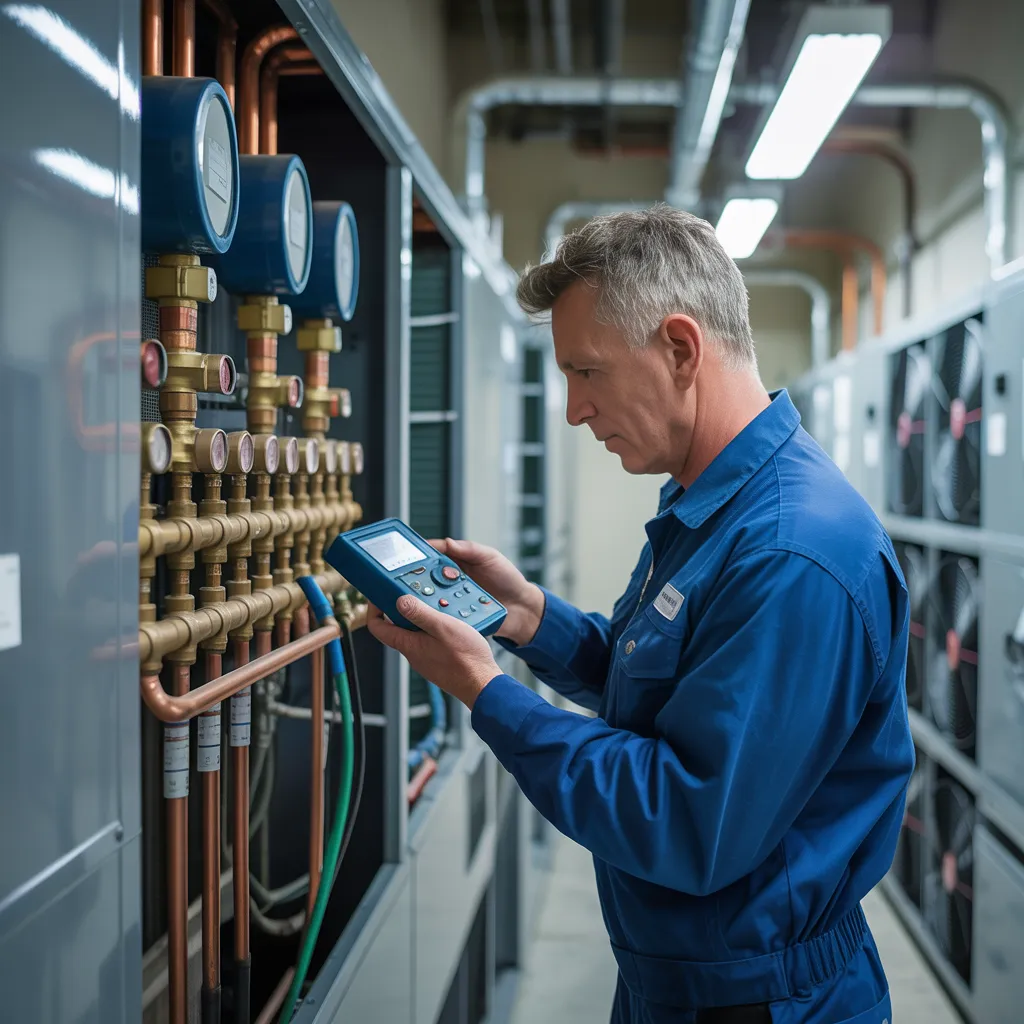
Adequate air conditioning maintenance plays an essential role in safeguarding peak performance and longevity of HVAC systems. Regular reviews and servicing work help to identify potential issues before they escalate into costly repairs. By cleaning filters, monitoring refrigerant levels, and inspecting electrical components, maintenance operations can greatly enhance the efficiency of the system.
In addition, regular upkeep delivers energy savings, as a well-maintained air conditioner works more efficiently, decreasing electricity bills. Additionally, it preserves indoor air quality by minimizing dust and allergens circulating in the home.
Ignoring maintenance can result in decreased performance, higher energy consumption, and a reduced operational life for the system. As a result, performing routine upkeep not only protects comfort levels but also guarantees that the air conditioning unit functions at its best throughout its service life. Ultimately, committing to maintenance is a proactive approach that serves to protect both the system and the well-being of its occupants.
How to Identify When Your AC Needs Repair?
Knowing when an air conditioning unit requires repair is important for maintaining comfortability. Unusual noises may point to hidden mechanical faults, and inconsistent temperature performance might suggest a defective system. Spotting these signs in advance can help avoid additional damage and guarantee efficient functioning.
Unusual Noises From Unit
Odd sounds from an air conditioning unit can signal underlying issues that need immediate focus. Typical noises include rattling, which may indicate loose components, and hissing, potentially revealing refrigerant leakage. A grinding noise often suggests deteriorated bearings or motors, while a high-pitched squeal could indicate a failing compressor. Each of these noises serves as a warning that something is amiss, requiring a professional inspection. Ignoring these auditory cues might lead to more substantial damage and costly repairs. Property owners should remain vigilant and tackle any strange sounds promptly to maintain the unit's efficiency and longevity. Identifying these warning signs can prevent further complications and guarantee a comfortable living environment.
Uneven Thermal Delivery
Unusual sounds coming from an air conditioning unit often indicate problems, but inconsistent temperature output is another important warning sign that a repair might be needed. Homeowners may observe some rooms are too warm while others are abnormally cold, suggesting the system is unable to distribute air evenly. This inconsistency may arise from various causes, including a faulty thermostat, blocked ducts, or refrigerant leaks. Additionally, dirty filters can block airflow, worsening temperature differences. Addressing these issues requires routine maintenance checks. Homeowners should watch their unit’s performance and get professional help if inconsistencies occur. Prompt intervention can prevent more damage and ensure the air conditioning system functions efficiently, providing comfort throughout the home all year long.
How to Identify the Ideal Air Conditioning System for Your Specifications
Choosing the optimal air conditioning system requires a thorough review of several key factors. Analyzing room requirements, taking into account operational capability grades, and reviewing installation and servicing necessities are vital measures in this undertaking. By centering on these aspects, individuals can arrive at an educated determination that optimally fits their setting and financial parameters.
Analyze Your Space Specifications
When evaluating space needs, understanding the distinct features of a residence or workplace is essential for choosing the ideal air conditioning unit. Factors such as square footage, ceiling height, and insulation quality significantly impact the system's effectiveness. Furthermore, the layout of the space—considering open areas versus segmented rooms—affects air distribution. Homes with large windows or direct sunlight may require more cooling capacity, while shaded or smaller spaces may need less. It is also vital to assess the number of occupants, as human activity generates heat, impacting cooling needs. By carefully analyzing these elements, individuals can select a system that guarantees maximum comfort and performance tailored to their specific environment.
Examine Electrical Consumption Ratings
How can one guarantee optimal comfort while minimizing energy costs? The solution lies in taking into account energy efficiency ratings when selecting an air conditioning system. These ratings, such as SEER (Seasonal Energy Efficiency Ratio) and EER (Energy Efficiency Ratio), provide valuable insights into the system's performance. Higher ratings suggest improved efficiency, resulting in lower energy bills and a decreased environmental impact.
Homeowners must prioritize units with a high SEER rating, as these models can considerably decrease energy consumption over time. Additionally, examining the energy efficiency of different systems can help identify the best option for specific needs. Overall, making knowledgeable decisions based on energy efficiency ratings can lead to long-term savings and enhanced comfort in the home.
Evaluate Deployment and Maintenance
Considering installation and maintenance factors is necessary for homeowners aiming to pick the ideal air conditioning system. Proper installation secures peak performance and durability, while improper installation may cause inefficiencies and costly repairs. Homeowners ought to rely on professional installation services with a solid track record to ensure compliance with local codes and manufacturer guidelines. Furthermore, maintenance obligations have a significant role in the system's overall lifespan. Assessing component accessibility for routine servicing can impact the choice. Systems that demand less frequent maintenance or provide easy-to-use features, such as washable filters, may be more beneficial. Ultimately, a well-installed and easily maintainable air conditioning system improves comfort and decreases long-term costs for homeowners.
Professional Air Conditioning Setup: Why It Matters
While some may think of DIY installation as a budget-friendly alternative, expert AC installation plays explore the facts an essential role in guaranteeing system efficiency and longevity. Skilled professionals possess the knowledge to assess the specific cooling needs of a residence, selecting the suitable system size and type. Proper installation reduces the risk of common issues such as loss of air, improper airflow, and inadequate refrigerant levels, all of which can result in higher energy costs and reduced comfort.
Moreover, experts adhere to local codes and regulations, ensuring safety and compliance. They also provide warranties on both the installation and the equipment, offering peace of mind for homeowners. With their knowledge, technicians can detect potential problems early, avoiding costly repairs down the line. Ultimately, investing in professional installation not only improves comfort but also maximizes the lifespan of the air conditioning system, making it a wise choice for any homeowner.
What to Do When You Need Emergency AC Help?
Confronting a unexpected air conditioning malfunction can be overwhelming, especially during sweltering summer months. When such an situation arises, the first step is to evaluate the situation. Homeowners should check the thermostat preferences and confirm that the unit is receiving power. If the issue continues, it is advisable to turn off the system to avoid further damage.
Finally, contacting a professional HVAC technician is vital. Pursuing emergency services is important, as they possess the expertise to fix and identify issues promptly. Homeowners should provide detailed information about the problem to promote efficient service.
While awaiting assistance, keeping windows and doors shut can help maintain a more comfortable indoor environment. Additionally, employing fans can improve air circulation. Finally, keeping a list of trusted HVAC professionals on hand can reduce stress in future emergencies, ensuring prompt and effective care whenever needed.
Ways to Enhance Your HVAC Performance
After tackling an critical AC concern, homeowners may explore approaches to enhance their HVAC efficiency. Regular upkeep, such as filter changes and system assessments, plays a crucial role in maximizing efficiency. Clean filters enable for better airflow, reducing energy consumption. In addition, closing ductwork prevents air leaks, guaranteeing that conditioned air reaches its intended destination.
Investing in a programmable thermostat can also lead to significant energy savings. This system allows homeowners to set schedules, modifying temperatures based on presence. Moreover, maintaining adequate insulation in attics and walls reduces thermal exchange, contributing to a more stable indoor environment.
Ultimately, switching to energy-saving units, such as those with high SEER ratings, can dramatically improve overall operational performance. When deploying these tactics, dwelling owners can improve comfort and reduce energy expenses, making their HVAC systems more dependable throughout the year.
Commonly Posed Questions
When Should I change My Air Filter most often?
Air filters should typically be changed every one to three months, based on usage and environmental factors. Routine upkeep guarantees peak air quality and system efficiency, extending the lifespan of the air conditioning unit.
How Long Does an Air Conditioning Unit Last?
An cooling unit typically lasts between 12 to 15 years. Factors such as routine care, use, and proper installation can impact this life expectancy, necessitating timely replacements to assure peak performance and efficiency.
Can I Put in an AC System Myself?
Installing an AC system on your own is feasible, yet it requires technical knowledge and equipment. Errors can result in inefficiency or dangerous conditions, so many recommend hiring a professional for ideal installation and performance.
What Signs Point to Poor Indoor Air Quality?
Signs of poor indoor air quality include persistent odors, increased allergy symptoms, apparent mold development, substantial dust buildup, and fluctuating humidity levels. These indicators suggest the requirement of improved ventilation and air purification measures.
How Does Humidity Affect Air Conditioning Performance?
High humidity notably impacts air conditioning performance by forcing systems to operate at greater capacity to control temperature and moisture levels. High humidity can decrease efficiency, resulting in higher energy consumption and possible strain on the unit.